
The Future is Electric: The Electric Vehicle Revolution

Updated: Sep 22, 2025
The Rise of Electric Vehicles
The electric vehicle (EV) revolution is no longer on the horizon — it’s fully underway. What started with a few forward-thinking brands like Tesla has now turned into a full-scale transformation of the global auto industry. Traditional manufacturers such as Ford, GM, Volkswagen, and luxury brands like Mercedes-Benz and Porsche are all pivoting their strategies. They are pouring billions into the development of electric models. Many are committing to fully electric lineups within the next decade.
Factors Driving the Shift
One of the biggest factors pushing this shift is the growing consumer demand for greener, more sustainable transportation options. Today's buyers are more environmentally conscious. They are looking for ways to reduce their carbon footprints. EVs offer a tangible solution to this challenge. Government incentives, stricter emissions regulations, and the rising cost of gasoline have all fueled the move toward electric options as well.
Technological Advancements
Technology is accelerating this transition too. Battery advancements lead to longer driving ranges. Some models now exceed 400 miles on a single charge. Moreover, improvements in fast-charging networks reduce downtime for drivers. Innovations like wireless charging pads, vehicle-to-grid energy sharing, and solar panel integrations are being tested and rolled out across different markets. These developments make EVs even more appealing to prospective buyers.
Changing Perceptions
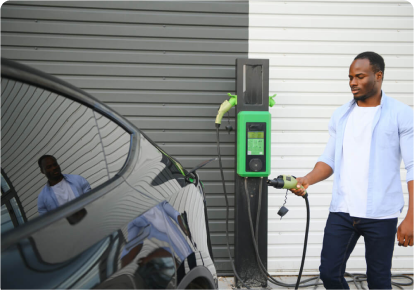
As EV technology matures, electric vehicles are no longer seen as niche or luxury products. They are quickly becoming practical choices for everyday drivers. Cities are investing in better infrastructure to support EVs. Charging stations are appearing in more locations, making it easier for drivers to recharge. In addition, companies are rolling out subscription models and battery-swapping programs. These initiatives make EV ownership even more accessible.
The Economic Impact
The shift to electric vehicles is also having a significant economic impact. Job opportunities are growing in manufacturing, engineering, and infrastructure related to EVs. Workers are being trained in new technologies, which enhances their skills. Additionally, the demand for electricity is rising, prompting investments in renewable energy sources. This, in turn, contributes to the global effort to combat climate change.
The Future of Transportation
With so many factors at play, the automotive landscape as we know it is being reshaped. The future truly is electric. Consumers can expect more affordable EV options, higher performance, and greater availability. The continued development of charging infrastructure will ease range anxiety.
The collaboration between automakers, government agencies, and tech companies will further enhance the electric vehicle ecosystem. This partnership will foster innovations that we cannot yet imagine.
Conclusion
In conclusion, the electric vehicle revolution is not just a trend; it is a new way of thinking about transportation. The demand for sustainable options is at an all-time high. Consumers are investing in electric vehicles not only for their environmental benefits but also for their practicality and performance. As electric vehicles continue to evolve, they will redefine what we expect from our cars. The EV revolution is here, and it promises a brighter, more sustainable future.
For more information about the electric vehicle revolution, you can visit here.


Comments